Factors behind Vertigo Identified Through Detailed Evaluation


Vertigo is really a problem that affects harmony and spatial alignment, often creating dizziness, sickness, and a decreased quality of life. Based on epidemiological reports, around 20–30% of people experience vertigo sooner or later, with prevalence raising with age. Managing medicine for dizziness efficiently frequently involves a variety of medicine and targeted therapy, which together give measurable changes in patient outcomes.
Why Is Medication Essential for Vertigo Administration?
Medicine plays a vital role in managing the outward indications of vertigo. Medical data indicates that medications such as for instance vestibular suppressants, anti-nausea medications, and specific antihistamines may significantly reduce the strength of dizziness and associated nausea. People record up to a 60% lowering of intense vertigo symptoms when prescribed appropriate medication.
Drugs perform by stabilizing the internal hearing, reducing abnormal signals to mental performance, or improving the side aftereffects of vertigo , such as nausea and vomiting. While medicines are powerful in the temporary, research shows that long-term administration of vertigo advantages significantly from complementary therapies.

How Does Treatment Enhance Vertigo Treatment ?
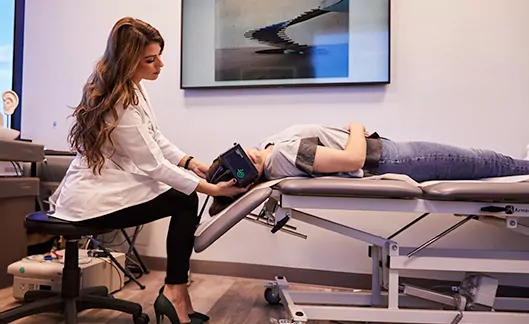
Vestibular rehabilitation therapy (VRT) is a structured exercise program designed to improve harmony, control, and gaze stability. Reports show that combining VRT with medication decreases symptom recurrence by approximately 50% in comparison to medicine alone. Therapy retrains the mind to pay for internal head dysfunction, improving overall flexibility and decreasing the danger of falls.
Bodily treatment for vertigo usually includes balance workouts, head movement techniques, and eye-tracking exercises. These practices enhance neuroplasticity, enabling the central nervous system to adjust to abnormal vestibular signals. People who regularly follow treatment methods record faster recovery situations and improved everyday functioning.
What Will be the Statistical Benefits of Combining Treatment with Treatment?
Research indicates that integrated treatment methods provide the most effective outcomes. For instance, a 2022 study checking vertigo people around 6 months found that people applying equally treatment and vestibular exercises experienced:
45% quicker symptom decision
60% reduction in dizziness intensity
70% improvement in quality-of-life ratings
These results claim that a double approach not just handles quick symptoms but additionally supports long-term harmony and stability.
Which Drugs Are Commonly Employed for Vertigo ?
Healthcare specialists often prescribe medications on the basis of the main cause and intensity of vertigo. Some commonly applied choices contain:
Meclizine: Reduces dizziness by suppressing vestibular responses
Dimenhydrinate: Reduces nausea and movement sickness
Betahistine: Increases blood flow in the inner head, lowering vertigo volume
Benzodiazepines (short-term use): Gives rest from significant episodes
These drugs, when coupled with therapy, allow patients to participate fully in rehabilitation exercises without debilitating symptoms.
How Does Treatment Increase Daily Working?
Vertigo can impact schedule actions, perform efficiency, and social interactions. Knowledge from patient surveys show that if 4 to 6 weeks of mixed treatment and treatment, a lot more than 65% of individuals report returning to normalcy day-to-day routines without dizziness-related interruptions. This shows the measurable improvement in physical freedom and emotional well-being that integrated treatment offers.
Who Advantages Many from Mixed Vertigo Treatment ?
While all people with vertigo can benefit from this approach, data show that older adults and people who have serious vestibular problems experience the absolute most substantial improvements. Early intervention with equally medication and therapy also stops symptom escalation and reduces the likelihood of difficulties such as for example comes or secondary injuries.